Accredited Microsoft Partner

Revenue recognition flexible and automated

The Challenge

Heavy customization was built to bridge the gap of revenue recognition module. Some of it dangerously touched the core of Dynamics 365 Finance and Operations that Sewan wanted to eleminate and use subscription billing module instead. That part was discussed in the core cleaning case study. Another challenge discovered while showing the module to users is that every subscription had its own start and end date, but the standard Dynamics 365 subscription billing experience pushes users towards predefined billing templates. The user needed to a alot per line to specify custom start date and end date.

Click to enlarge
01

Tune forecasts to FMCG demand

Simplify the user experience: We replaced template selection with a more user-friendly approach, where users simply specify a start date and an end date on each line of the sales order, purchase order or ledger journal. Based on those dates, the system automatically decides whether each line qualifies for revenue or expense recognition and enables it without further user action.


02

Automate recognition eligibility

Based on those dates, the system automatically decides whether each line qualifies for revenue or expense recognition and enables it without further user action.
03

Handle closed periods intelligently

We enhanced the revenue recognition batch so that when a contract starts in a period that is already closed (for example, last year), the system moves the catch-up recognition to the closest open period and recognises the remaining amounts proportionally from that month onwards.

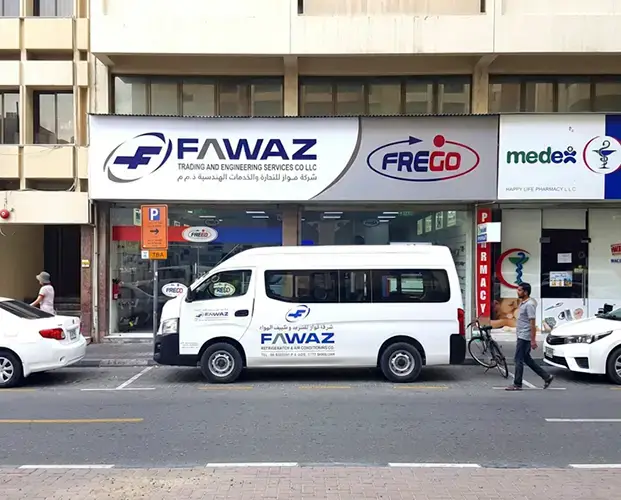
“Demand planner has helped us gain great control over our stock and streamline our purchases. We could reduce a lot of shortage in our stocks and were able to fulfill most of our projects on time.”

Hesham Attieh
Procurement manager- Fawaz (UAE)

Fawaz forecast demand for its fast-moving consumer goods in Excel, and only a handful of people knew how the spreadsheets worked. Forecasts were rebuilt from scratch each cycle, so replenishment was reactive: stock was ordered after a problem appeared, not before. Fast-moving lines ran out and orders went unfulfilled, while slow stock sat in the warehouse and tied up cash. With planning knowledge held by so few people, the process was hard to scale.

Related Work

Search marketing campaigns that drive real results.